The evidence behind every mucus model.
Peer-reviewed studies and application notes for 3D models of human mucus: gut, airway, stomach and cervicovaginal tract.
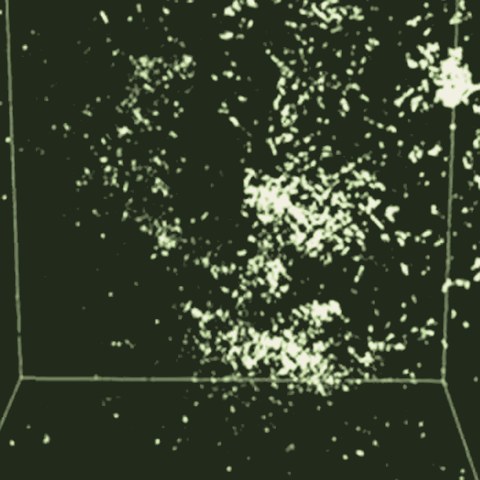 S. aureus
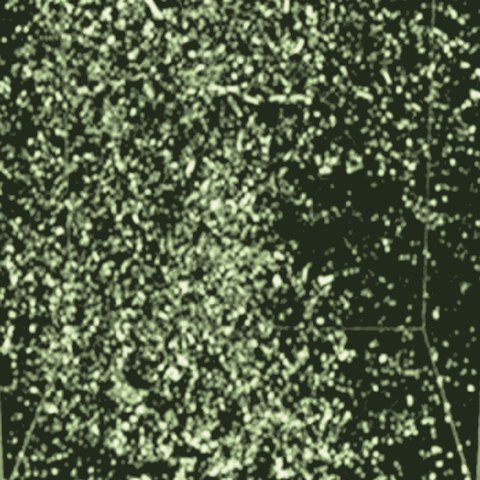 A. baumannii
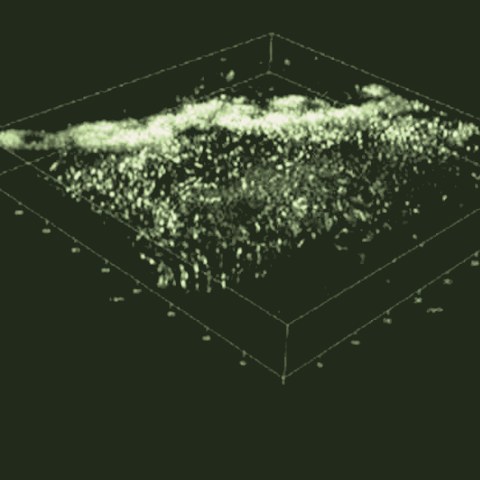 E. cloacae
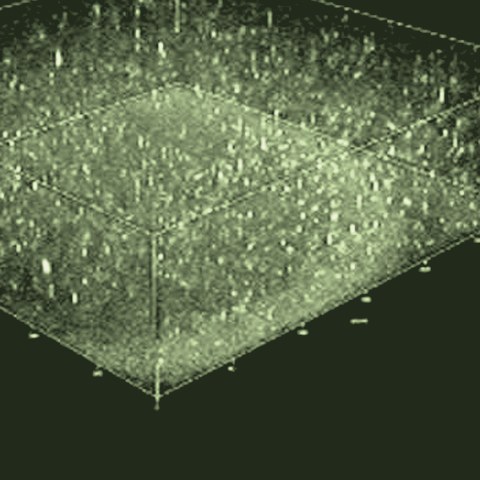 E. faecium
 K. pneumoniae
 P. aeruginosa

All anatomical sites
Every model and application note, across the body. Select an organ to narrow the results.
Publications



Find the model for the site you study.
Models7
 Gut³GelIn vitro model3D in vitro model of human gut mucus, in colon and small-intestine versions.Gut³BeadsGrowth boosterMucin-based beads that boost the growth of hard-to-culture bacteria.
 Lung³GelIn vitro model3D in vitro model of human airway mucus.
 Gastro³GelIn vitro model3D in vitro model of human gastric mucus.
 Vag³GelIn vitro model3D in vitro model of human vaginal mucus.Vag³BeadsGrowth boosterBeads that boost the yield and viability of cervicovaginal microbiota.
 Bac³GelIn vitro modelReady-to-use advanced material for general microbial culture.
No product of this type for this site.
Application notes4
No application note for this selection yet. Ask a scientist about data for this site.
Studies using Bac³Gel models.
The question
Can a single plate-reader measurement replace calibration-heavy methods for early permeability screening, and does it still hold when intestinal mucus is added?
Main finding
Intestinal mucus changes the answer: some drugs that cross a lipid barrier become poorly permeable once mucus is added.
The calibration-free workflow agreed with conventional UV and LC–MS/MS quantification for rapid screening.
Mucus interferes with direct optical reads, so the mucus-coupled workflow suits compounds with suitable spectral properties.
How the model was used
The question
Can a ready-to-use 3D matrix grow the ESKAPE pathogens as biofilms under standardised conditions?
Main finding
Every ESKAPE pathogen grew throughout the gel, each with its own biofilm architecture.
Bacteria grown in the gel were less susceptible to ciprofloxacin than planktonic cultures, consistent with biofilm-associated tolerance.
Biofilm biomass accumulated within the hydrogel, and species-specific traits were visible side by side in one plate.
How the model was used
The question
Can a single treatment combining phages with ciprofloxacin clear mature single- and mixed-species biofilms grown in cystic fibrosis airway mucus?
Main finding
In cystic fibrosis airway mucus, phages and phage cocktails mostly worked synergistically with ciprofloxacin against mature biofilms of three pathogens, alone and mixed.
Treatment reshaped the communities: S. aureus came to dominate under ciprofloxacin, and K. pneumoniae under phage cocktails, its phage being the least effective.
Younger biofilms responded more strongly to the phage–antibiotic combination than week-old biofilms.
How the model was used
The question
Can a complex gut microbiota be cultured in a mucus model without an anaerobic chamber?
Main finding
Gut³Gel sustains diverse donor microbiota and enriches mucus-associated bacteria.
Bifidobacterium, Lactobacillus and Faecalibacterium became more prevalent.
More acetate, butyrate and exopolysaccharides confirmed that the community was metabolically active.
How the model was used
The question
Does Gut³Gel reproduce what clinical studies report for inulin supplementation?
Main finding
The model captured inulin’s prebiotic effect and the differences between individuals.
Inulin raised Bifidobacterium and Lacticaseibacillus and increased metabolic activity.
Each donor’s baseline microbiota strongly shaped how it responded.
How the model was used
The question
How do bacterial quorum sensing molecules cross cystic fibrosis mucus and the cell membrane on their way to a cytoplasmic immune receptor?
Main finding
Cystic fibrosis mucus acts as a strong shield: combined with a membrane model, it markedly reduced the permeation of pyocyanin, the receptor-activating molecule.
Through the membrane model alone, the receptor-activating molecule permeated more readily than the molecules that do not activate it.
The mucus model reduced the diffusion of every quorum sensing molecule tested, consistent with interactions between negatively charged mucus and positively charged pyocyanin.
How the model was used
The question
Can a mucus barrier be built into a cell-free, high-throughput permeability assay?
Main finding
Solubility, size and shape govern how drugs permeate; charge governs how they interact with mucus.
Experimental and computational approaches were combined to identify the determinants of passive diffusion.
The mucosal platform is proposed for drug-permeability profiling that accounts for mucus.
How the model was used
The question
Does the heterogeneity of a mucus niche change how bacteria organise and respond to antibiotics?
Main finding
The model’s gradients change bacterial organisation and antibiotic tolerance in ways standard cultures cannot reproduce.
Oxygen falls steeply a few millimetres below the air–mucus interface, as in cystic fibrosis airway mucus.
Antimicrobial susceptibility in the gel mirrors the mismatch seen between lab cultures and patients.
How the model was used
The question
Can nanoparticles made from mucin itself keep its glycans, carry different drugs and stick to mucus?
Main finding
Mucin nanoparticles, mucosomes, were made and loaded in one step, kept mucin's surface glycans and stayed in a cystic fibrosis mucus model far longer than free dye.
Under a flow of simulated nasal fluid, much more fluid was needed to wash mucosomes off the mucus model than free dye, and mucosomes also crossed a mucus layer more slowly.
Mucosomes carried small drugs, a peptide nucleic acid and a protein, and did not alter blood-clotting tests under the conditions studied.
How the model was used
The question
How does a pathological cystic fibrosis mucus layer change the passive permeability of a chemically diverse panel of commercial drugs?
Main finding
Cystic fibrosis mucus acts as an interactive filter, not a mere physical barrier: it slowed many drugs, left others unaffected and let a few through faster.
Once mucus was added, molecular descriptors such as polar surface area no longer predicted permeability, so the effect of mucus cannot be read from drug structure alone.
Calcium in the mucus formed salts with some anionic anti-inflammatory drugs and raised their permeability, a trend also seen in patient sputum with added calcium.
How the model was used
The question
Can airway mucus models placed on beating artificial cilia reproduce mucociliary clearance without cell culture?
Main finding
Healthy-airway mucus was carried along by the artificial cilia over a periciliary layer, while cystic fibrosis mucus pressed the cilia flat and stalled until a mucolytic-like treatment loosened it.
Without a periciliary-layer simulant, healthy-airway mucus stagnated on the cilia; with one, it moved at speeds reported for physiological mucus.
Breaking the calcium crosslinks of the cystic fibrosis mucus with EDTA let the cilia move it again, and the more crosslinked formulation moved more slowly.
How the model was used
The question
Can a simple mucin–alginate hydrogel that mimics cystic fibrosis airway mucus be added to a standard permeability screen to show how mucus slows drugs down?
Main finding
Layered onto a PAMPA membrane, the mucus model separated drugs by how strongly they bind mucin: a non-binding drug passed freely, while mucin-binding drugs were held back, which the bare membrane could not show.
The optimised hydrogel matched the viscoelasticity of cystic fibrosis sputum at breathing and ciliary-beating frequencies and stayed stable in screening media.
Alginate alone slowed the most mucin-avid drug a little; the strong hold-up appeared only when mucin was present, separating the interactive barrier from the steric one.
How the model was used
The question
How do the antimicrobials used in cystic fibrosis therapy interact with mucin?
Main finding
Cystic fibrosis antimicrobials bind mucin, which matters for their pharmacokinetics where mucin is overexpressed.
The binding mechanism, binding constants, number of binding sites and thermodynamics were characterised.
The results inform drug design for mucus-rich diseases.
How the model was used
No publication matches this search.
Planning a study with mucus models?
Talk to a scientist about your organism, readout and format.